

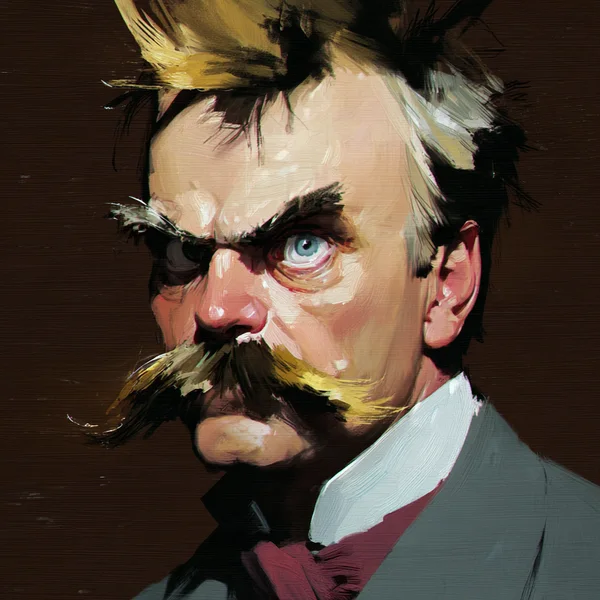
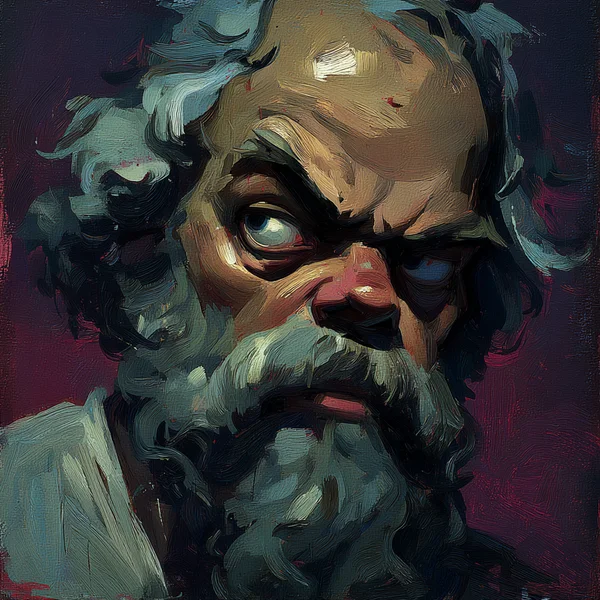
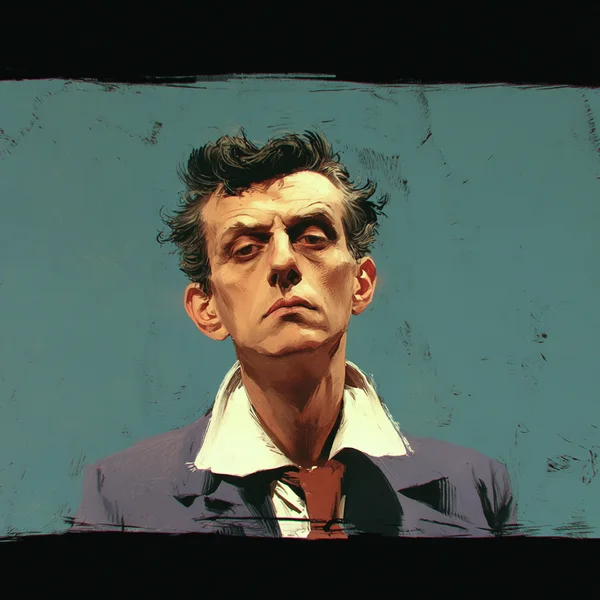
How would it feel to ask Socrates to challenge an idea, Nietzsche about ambition, or Simone de Beauvoir about freedom? That question became Dialogues.
Explore a gallery of thinkers and start a conversation. Speak with an AI interpretation of a thinker in character, or switch to Scholar Mode for context and analysis. Each dialogue is constrained by the thinker’s ideas, period, and what they could reasonably know.
A familiar question. An unfamiliar perspective.
- 01
Explore
Find a thinker.
- 02
Question
Start a conversation.
- 03
Reflect
Consider another perspective.
The experience
A gallery you can wander through.
Illustrated portraits turn a directory into a space to explore. Drag through the collection, recognize a familiar face, or discover someone whose ideas you haven’t met yet.
A voice with a point of view.
Each AI interpretation has a distinct intellectual identity, vocabulary, and historical boundary. In-character conversations sit alongside Scholar Mode for context and analysis.
The next conversation is a face away.
The full gallery makes discovery part of the experience. A familiar face can be the starting point, while the surrounding thinkers offer a reason to keep exploring.
What holds it together.
Difference is the point.
Each thinker’s ideas shape the conversation.
Boundaries give a voice depth.
Original works and historical context constrain what each thinker can know.